
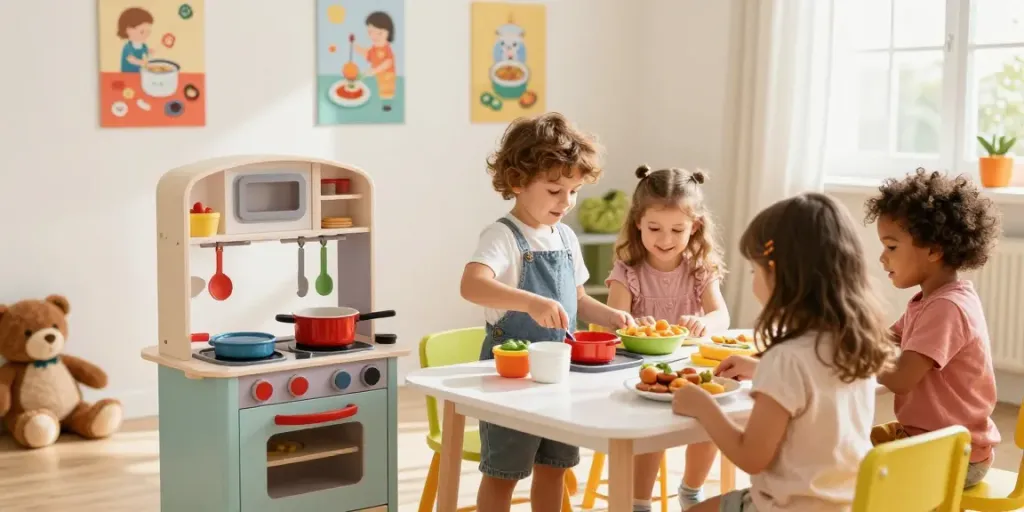
Understanding the Importance of Play Kitchens
The significance of play kitchens in a child's development cannot be overstated. These miniature cooking environments not only offer endless fun but also serve as a platform for learning essential life skills. A toy kitchen engages children's imagination, encourages role-playing, and enhances their creativity while providing them with a safe space to explore the culinary world. As children imitate adult behaviours, they gain a sense of autonomy and responsibility, bolstering their confidence in social settings.
What is a Toy Kitchen and Its Benefits?
A toy kitchen is a playset designed to resemble a real kitchen, complete with appliances, utensils, and often play food. These play kitchens come in various sizes and styles, catering to different age groups and preferences. The benefits of such playsets are extensive, as they facilitate imaginative play, enhance fine motor skills, and promote problem-solving abilities. Children learn to work with different textures and materials, developing their sensory perception while enjoying their time in this make-believe culinary space.
Developmental Skills Enhanced by Pretend Play
Pretend play, particularly with a toy kitchen, nurtures several developmental skills in children:
- Cognitive Skills: Engaging in pretend cooking helps children understand cause and effect, improves their memory, and enhances their ability to follow sequences, such as recipes.
- Social Skills: Playing together with peers or adults encourages collaboration, sharing, and communication. Children learn to negotiate roles and express their ideas and feelings.
- Language Skills: As children narrate their cooking adventures, they expand their vocabulary and improve their storytelling abilities, thus enhancing their language development.
- Emotional Development: Pretend play allows children to express their emotions safely, helping them to process experiences and develop empathy.
- Motor Skills: Using miniature utensils and food enhances hand-eye coordination and fine motor skills, essential for daily activities.
Common Misconceptions About Toy Kitchens
Despite their popularity, several misconceptions about toy kitchens persist. One common belief is that play kitchens are merely distractions. In reality, they provide rich educational experiences that foster various skills. Another misconception is that they are suitable only for girls; however, cooking and kitchen play is universal, appealing equally to all children. Additionally, some parents might think these toys are merely temporary fads; yet, their enduring presence in playrooms indicates their ongoing relevance in child development.
Choosing the Right Toy Kitchen for Your Child
Selecting the perfect toy kitchen involves considering several factors to ensure it meets your child's needs and enhances their play experience. With a variety of options available, it’s crucial to assess what aligns best with your child's interests and developmental stage.
Factors to Consider When Selecting a Toy Kitchen
When choosing a toy kitchen, consider the following factors:
- Age Appropriateness: Ensure the play kitchen is suitable for your child's age, with no small parts that could pose choking hazards.
- Size and Space: Evaluate the space available in your home and select a kitchen size that fits comfortably while allowing room for play.
- Design and Features: Look for engaging designs that include interactive features like sound effects, lights, or movable parts to enhance playtime.
- Durability: A robust, well-constructed kitchen will withstand vigorous play and last longer, providing better value for money.
Comparing Materials: Wood vs. Plastic Toy Kitchens
When it comes to materials, toy kitchens primarily fall into two categories: wooden and plastic. Wooden kitchens are often favoured for their aesthetic appeal and durability. They frequently boast a more classic and timeless design, making them suitable for various decor styles. On the other hand, plastic kitchens tend to be lighter and more affordable, featuring vibrant colours and designs that may attract younger children. Both materials have their merits, and the choice largely depends on your preferences for aesthetics, budget, and desired longevity.
Top Features to Look for in a Toy Kitchen
As you search for the ideal toy kitchen, keep an eye out for these essential features:
- Interactive Elements: Look for kitchens with knobs that turn, doors that open, and oven lights to stimulate imaginative play.
- Storage Options: A kitchen with ample storage space encourages organisation and responsibility by providing areas to put away food and utensils.
- Inclusivity: Some kitchens come with accessories that cater to a variety of play scenarios, allowing for diverse cooking experiences.
- Easy Assembly: Choose a kitchen that can be assembled with minimal hassle, ensuring a quick setup for immediate enjoyment.
Creative Play Ideas with a Toy Kitchen
Once you have the perfect toy kitchen, the fun can truly begin. Encouraging imaginative play will provide countless opportunities for learning and creativity.
Fun Cooking Activities to Engage Children's Imagination
To keep playtime exciting, consider these creative cooking activities:
- Recipe Creation: Encourage your child to create their own recipes using play food. This activity enhances their creativity and introduces basic concepts of cooking.
- Themed Cooking Days: Host themed days, such as “Italian Night” or “Dessert Day,” where children can prepare dishes related to the theme with imaginative flair.
- Cooking Competitions: Organise friendly competitions where children can showcase their culinary skills and creativity in a fun and engaging manner.
How to Set Up a Themed Cooking Playdate
Transform a regular playdate into a themed cooking adventure by following these steps:
- Choose a Theme: Select a theme, such as “Pizza Party” or “Healthy Snacks,” that resonates with the children involved.
- Prepare Ingredients: Gather relevant play food items and accessories that align with the theme for an immersive experience.
- Invite Guests: Encourage friends to join, allowing for collaborative play and social interaction.
- Create a Menu: Let the children decide on a fun menu they can pretend to cook and serve during the playdate.
- Celebrate Achievements: End the playdate by celebrating the dishes the children “prepared,” perhaps even sharing them for a little imaginary feast.
Incorporating Learning into Playtime with Toy Kitchens
Learning can be seamlessly integrated into playtime with a toy kitchen. Here are a few ways to do this:
- Math Skills: Involve children in measuring ingredients and counting items to reinforce basic arithmetic.
- Scientific Concepts: Discuss the properties of the ingredients used, such as similarities and differences, to instil a sense of observation and inquiry.
- Healthy Eating Education: Use the kitchen to teach about nutrition and the importance of healthy eating habits, discussing various food groups during play.
Safety Considerations for Toy Kitchens
While toy kitchens provide numerous benefits, safety is paramount. Understanding how to ensure safe play is crucial for parents and caregivers.
Age-Appropriate Kitchen Sets for Different Development Stages
When selecting a toy kitchen, ensure it is age-appropriate. Younger children may benefit from simpler designs with fewer small parts, while older children can handle more complex kitchens with various accessories. Always check manufacturer recommendations for age suitability.
Common Safety Hazards and How to Avoid Them
Keeping safety in mind, consider these common hazards:
- Small Parts: Ensure toys do not contain small parts that could pose choking hazards for younger children.
- Sturdy Construction: Opt for kitchens with a stable design to prevent tipping or collapsing during play.
- Non-toxic Materials: Choose kitchens made from safe materials free from harmful chemicals.
Best Practices for Supervision During Play
Supervision is critical, especially during the early stages of play. Here are some best practices:
- Monitor Playtime: Keep an eye on children while they play to ensure they use the kitchen safely and appropriately.
- Teach Proper Usage: Introduce children to the kitchen’s features and demonstrate safe ways to play with utensils and food to prevent accidents.
- Establish Rules: Create clear rules about playtime behaviour to promote a safe play environment.
Future Trends in Toy Kitchens for 2026 and Beyond
The toy kitchen landscape is evolving, with innovations set to enhance children's creative play experiences significantly. Here’s what to expect in the future.
Innovative Designs and Features in Modern Toy Kitchens
Modern toy kitchens are embracing contemporary design elements that reflect real kitchens. Expect to see:
- Customisation Options: Kitchens that allow children to decorate or configure their cooking space, fostering a sense of ownership.
- Multi-functional Units: Play kitchens that integrate other play features, such as dining areas or cleaning stations, offering a holistic play experience.
Eco-Friendly Materials and Sustainability Trends
As environmental concerns grow, the demand for eco-friendly toys increases. Future toy kitchens will likely be made from sustainable materials, incorporating recycled plastics or responsibly sourced wood to minimise environmental impact.
The Role of Technology in Future Toy Kitchens
Technology will play a significant role in the evolution of toy kitchens, with potential innovations such as:
- Interactive Displays: Kitchens that feature digital elements, such as screens displaying recipes, cooking tips, or even virtual cooking classes.
- Smart Integration: Appliances in toy kitchens that mimic real functions, like sounds or lights, enhancing the realism and engagement of play.
What age group is best suited for toy kitchens?
Toy kitchens can cater to a wide age range, typically designed for children aged 2 to 12 years. Younger children benefit from simpler sets, while older children enjoy more complex configurations with various accessories.
How do toy kitchens contribute to child development?
Toy kitchens promote numerous developmental areas, including cognitive, social, emotional, and physical skills. They provide children with opportunities to engage in imaginative play, fostering creativity and critical thinking.
What features should I look for in a safe toy kitchen?
When selecting a safe toy kitchen, look for sturdy construction, non-toxic materials, age-appropriate designs, and the absence of small parts that could pose choking hazards.
Are wooden toy kitchens better than plastic ones?
Each material has its advantages. Wooden kitchens are generally more durable and aesthetically appealing, while plastic kitchens are often lighter, easier to clean, and more affordable. The choice depends on your priorities.
How can I encourage my child to play with their toy kitchen?
To encourage play, create engaging cooking scenarios, involve them in themed cooking days, and regularly introduce new play food items or accessories. This stimulation will keep their interest in the toy kitchen alive.